

In today's digital age, video conferencing has become an integral part of both business and personal communication. As the demand for high - quality video conferencing experiences grows, the choice of appropriate cabling infrastructure is crucial. One question that often arises is whether indoor fiber cable can be used for video conferencing. As an indoor fiber cable supplier, I am well - positioned to explore this topic in detail.
The Basics of Indoor Fiber Cable
Indoor fiber cables are designed specifically for use within buildings. They come in various types, each with its own set of features and benefits. For example, LSZH Fiber Optic Cable is a popular choice. LSZH stands for Low Smoke Zero Halogen. This type of cable emits low levels of smoke and no halogen gases when exposed to fire, which is a significant safety advantage in indoor environments.
Another type is the Indoor Ultrasonic Optical Cable. This cable is designed to provide high - speed data transmission and is often used in environments where interference needs to be minimized. The ultrasonic term here may refer to the way the cable is engineered to work in high - frequency and high - speed data transfer scenarios.
The Tight Buffered Fiber Cable is also a common indoor fiber cable. It has a tight buffer layer around the fiber, which provides extra protection and makes it easier to handle and install.
Why Indoor Fiber Cable is Suitable for Video Conferencing
High Bandwidth
Video conferencing requires a large amount of bandwidth to transmit high - quality video and audio data in real - time. Indoor fiber cables offer extremely high bandwidth capabilities. Unlike traditional copper cables, which have limitations in terms of data transfer speed, fiber optic cables can support gigabit - level speeds. This means that even high - definition video conferencing with multiple participants can be carried out smoothly without significant lag or buffering.
Low Latency
Latency is the delay between the time a signal is sent and the time it is received. In video conferencing, low latency is essential for a natural and seamless communication experience. Fiber optic cables have very low latency compared to other types of cables. The light signals transmitted through the fiber travel at extremely high speeds, resulting in minimal delay. This ensures that participants in a video conference can interact in real - time, just as if they were in the same room.
Immunity to Electromagnetic Interference
Indoor environments are often filled with various sources of electromagnetic interference, such as electrical equipment, Wi - Fi routers, and microwave ovens. These interferences can disrupt the signal transmission of copper cables, leading to poor video and audio quality. Fiber optic cables, on the other hand, are immune to electromagnetic interference. They use light to transmit data, and light is not affected by electromagnetic fields. This makes fiber cables a reliable choice for video conferencing, especially in areas with a high density of electronic devices.
Long - Distance Transmission
In some large office buildings or campuses, the distance between different rooms or departments may be significant. Indoor fiber cables can support long - distance transmission without a significant loss of signal strength. This means that video conferencing can be set up between different parts of a building or even between different floors, ensuring that all participants can connect effectively.
Considerations When Using Indoor Fiber Cable for Video Conferencing
Installation
Proper installation of indoor fiber cable is crucial for optimal performance. The cable needs to be installed in a way that minimizes bends and kinks, as these can cause signal loss. It is also important to ensure that the cable is properly terminated and connected to the video conferencing equipment. Professional installation services are recommended to ensure that the installation is done correctly.
Compatibility
Before using indoor fiber cable for video conferencing, it is necessary to ensure that the cable is compatible with the video conferencing equipment. This includes checking the connectors, the transmission speed requirements, and the overall system architecture. Some older video conferencing systems may not be fully compatible with fiber optic cables, and in such cases, additional adapters or converters may be required.
Cost
While the long - term benefits of using indoor fiber cable for video conferencing are significant, the initial cost of installation can be relatively high. This includes the cost of the cable itself, the installation labor, and any necessary equipment such as fiber optic transceivers. However, when considering the improved video and audio quality, the reliability, and the long - term savings in terms of reduced maintenance and upgrade costs, the investment in indoor fiber cable can be well - worth it.
Real - World Applications
In many corporate offices, indoor fiber cables are already being used for video conferencing. For example, large multinational companies with offices in different locations often use fiber - based video conferencing systems to connect their employees. This allows for seamless communication between teams, regardless of their physical location.
Educational institutions are also increasingly adopting indoor fiber cable for video conferencing. Schools and universities use video conferencing for remote learning, guest lectures, and faculty meetings. The high - quality video and audio provided by fiber optic cables enhance the learning and communication experience for both students and educators.
Conclusion
In conclusion, indoor fiber cable is an excellent choice for video conferencing. Its high bandwidth, low latency, immunity to electromagnetic interference, and long - distance transmission capabilities make it well - suited for providing a high - quality video conferencing experience. While there are some considerations such as installation, compatibility, and cost, the benefits far outweigh the challenges.

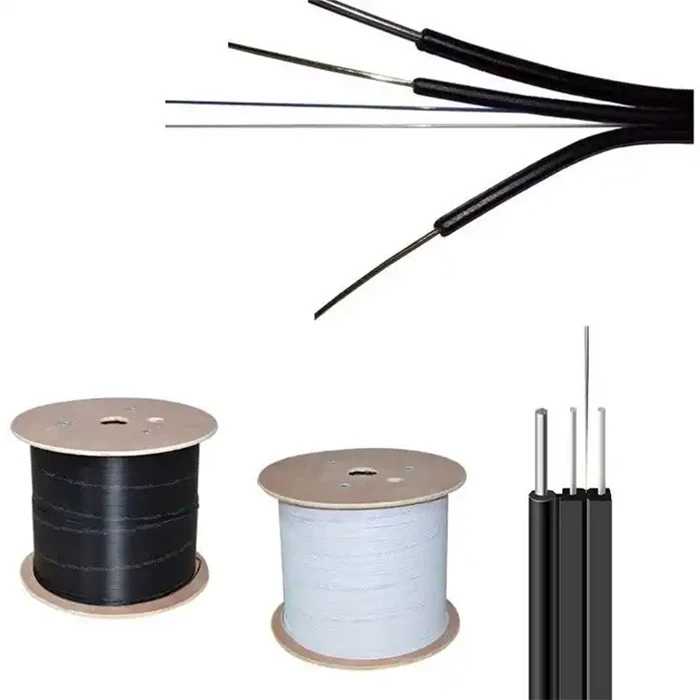
If you are interested in using indoor fiber cable for your video conferencing needs, I encourage you to reach out to us. We are a professional indoor fiber cable supplier, and we can provide you with the right products and solutions to meet your specific requirements. Contact us to start a procurement discussion and take your video conferencing to the next level.
References
- Fiber Optic Association. "Fiber Optic Basics."
- IEEE Transactions on Communications. "High - Speed Data Transmission in Indoor Fiber Optic Networks."
- Telecommunications Industry Association (TIA). "Standards for Indoor Fiber Optic Cabling."