

In the modern era of digital connectivity, CAT6 jumper cables have become an indispensable component in networking infrastructure. As a supplier of CAT6 Jumper Cables, I've witnessed firsthand the increasing demand for these high - performance cables. However, with the growing global emphasis on environmental sustainability, a pressing question has emerged: Are CAT6 jumper cables environmentally friendly?
Understanding CAT6 Jumper Cables
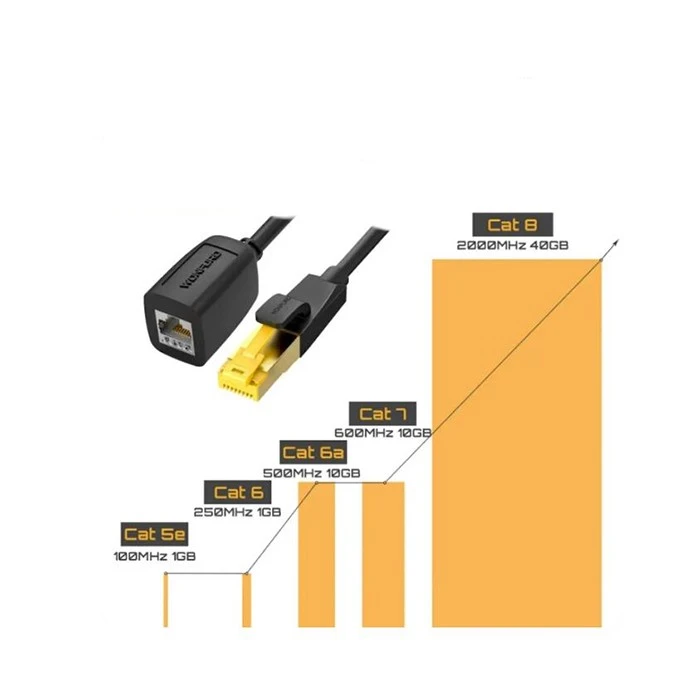
Before delving into the environmental aspects, let's first understand what CAT6 jumper cables are. CAT6, short for Category 6, is a standard for Ethernet cables. These cables are designed to support Gigabit Ethernet and other high - speed network applications. A CAT6 jumper cable, also known as a patch cable, is a short cable used to connect network devices such as computers, routers, and switches. It typically has RJ45 connectors at both ends and comes in various lengths. You can explore our wide range of CAT 6 Ethernet Patch Cable and RJ45 Network Patch Cords on our website.
Materials Used in CAT6 Jumper Cables
The environmental friendliness of CAT6 jumper cables largely depends on the materials used in their production. Most CAT6 cables consist of four pairs of twisted copper wires, which are encased in an outer jacket. The copper is the primary conductor of electrical signals, and its quality determines the cable's performance.
Copper is a natural resource, and its extraction and refining processes have significant environmental impacts. Mining copper involves large - scale excavation, which can lead to deforestation, soil erosion, and water pollution. Additionally, the energy - intensive refining process emits greenhouse gases, contributing to climate change.
The outer jacket of CAT6 cables is usually made of polyvinyl chloride (PVC) or low - smoke zero - halogen (LSZH) materials. PVC is a widely used plastic due to its low cost and good insulation properties. However, PVC contains chlorine, and when burned, it releases toxic dioxins and furans, which are harmful to human health and the environment. On the other hand, LSZH materials are more environmentally friendly. They produce less smoke and do not release halogen gases when exposed to fire, making them a safer choice for indoor use, especially in public buildings and data centers.

Lifecycle Assessment of CAT6 Jumper Cables
To comprehensively evaluate the environmental impact of CAT6 jumper cables, we need to consider their entire lifecycle, from raw material extraction to disposal.
Raw Material Extraction
As mentioned earlier, the extraction of copper for CAT6 cables has a significant environmental footprint. In addition to the direct impacts on the environment, the mining industry often requires large amounts of water and energy, further straining natural resources. The transportation of raw materials from mines to manufacturing facilities also contributes to carbon emissions.
Manufacturing Process
The manufacturing of CAT6 jumper cables involves several steps, including wire drawing, insulation extrusion, and cable assembly. These processes require energy, and if the energy source is non - renewable, it will increase the cable's carbon footprint. Moreover, the use of chemicals in the manufacturing process, such as solvents and lubricants, can also pose environmental risks if not properly managed.
Use Phase
During the use phase, CAT6 jumper cables consume a relatively small amount of energy. However, if the cables are not properly installed or maintained, they may lead to network inefficiencies, which can result in increased energy consumption by network devices.
Disposal
When CAT6 jumper cables reach the end of their useful life, they often end up in landfills. If the cables are made of PVC, they can release harmful chemicals into the soil and groundwater over time. Recycling CAT6 cables can help reduce their environmental impact, but the recycling process is complex and requires specialized equipment. Only a small percentage of CAT6 cables are currently recycled, and the rest contribute to the growing problem of electronic waste.
Efforts Towards Environmental Sustainability
As a responsible CAT6 Jumper Cable supplier, we are committed to minimizing the environmental impact of our products. We are constantly exploring ways to improve the sustainability of our manufacturing processes and products.
Use of Sustainable Materials
We are gradually transitioning to using more sustainable materials in our CAT6 jumper cables. For example, we are increasing the use of LSZH jackets, which are not only more environmentally friendly but also meet the strict safety requirements of many industries. We are also looking into the possibility of using recycled copper in our cables, which can reduce the demand for newly mined copper.
Energy - Efficient Manufacturing
We are investing in energy - efficient manufacturing technologies to reduce our energy consumption and carbon emissions. By upgrading our equipment and optimizing our production processes, we aim to minimize the environmental impact of our manufacturing operations.
Recycling Programs
We are working on establishing recycling programs for our CAT6 jumper cables. By encouraging our customers to return their used cables, we can ensure that they are properly recycled and reused. This not only reduces the amount of electronic waste but also helps conserve natural resources.
Conclusion
In conclusion, while CAT6 jumper cables are not inherently environmentally friendly, there are steps that can be taken to reduce their environmental impact. As a supplier, we have a responsibility to make our products more sustainable. By using sustainable materials, improving manufacturing processes, and promoting recycling, we can contribute to a greener future.
If you are interested in our CAT6 Jumper Cable products and would like to discuss your procurement needs, please feel free to reach out to us. We are ready to provide you with high - quality, environmentally - conscious networking solutions.
References
- "Copper Mining and the Environment," Copper Development Association.
- "Environmental Impact of Plastic Cables," International Cablemakers Association.
- "Sustainable Manufacturing in the Electronics Industry," United Nations Industrial Development Organization.