

Can fiber adapters be used in medical equipment? This is a question that has piqued the interest of many in both the medical and fiber - optic industries. As a supplier of fiber adapters, I am well - placed to delve into this topic and provide a comprehensive analysis.
The Basics of Fiber Adapters
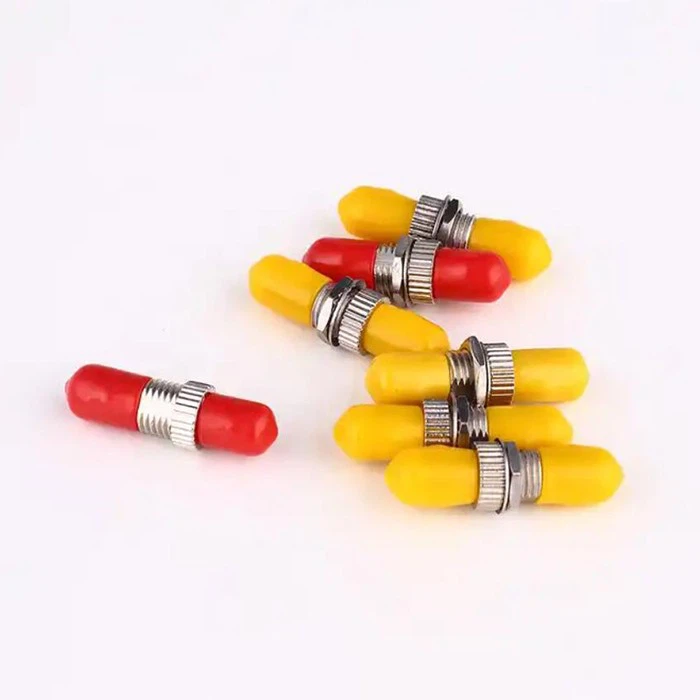
Fiber adapters are crucial components in fiber - optic communication systems. They are used to connect two fiber - optic connectors, ensuring a stable and low - loss connection. There are several types of fiber adapters available in the market, such as the [SC Fiber Optical Adapter](/fiber - adapter/sc - fiber - optical - adapter.html), [FC Fiber Optical Adapter](/fiber - adapter/fc - fiber - optical - adapter.html), and [ST Fiber Optical Adapter](/fiber - adapter/st - fiber - optical - adapter.html). Each type has its own unique features and applications, based on factors like connector design, performance requirements, and ease of use.
Requirements in Medical Equipment
Medical equipment operates in a highly specialized environment. It requires components that are reliable, accurate, and safe. Reliability is of utmost importance because any failure in the equipment can have serious consequences for patient health. Accuracy is needed for precise diagnoses and treatments. Safety is non - negotiable, with components having to meet strict standards to prevent any harm to patients and medical staff.
Advantages of Using Fiber Adapters in Medical Equipment
High - Speed Data Transmission
In modern medical equipment, large amounts of data need to be transmitted quickly and accurately. For example, in imaging devices such as MRI and CT scanners, high - resolution images are generated, and these images need to be transferred to storage systems or diagnostic workstations in real - time. Fiber adapters, with their ability to support high - speed data transmission, can meet these requirements. They can transfer data at speeds of up to several gigabits per second, ensuring that there is no delay in the diagnostic process.
Immunity to Electromagnetic Interference
Medical facilities are filled with a variety of electronic devices that can generate electromagnetic interference (EMI). This EMI can disrupt the normal operation of medical equipment. Fiber - optic technology, and by extension fiber adapters, is immune to EMI. This makes fiber adapters an ideal choice for use in medical equipment, as they can ensure stable operation even in an environment full of electronic noise.
Lightweight and Flexible
Many medical devices need to be portable or have flexible components. Fiber adapters are lightweight and can be used with flexible fiber - optic cables. This allows for the design of more ergonomic and user - friendly medical equipment. For example, in endoscopy, the use of fiber - optic cables with fiber adapters can make the endoscope more flexible and easier to maneuver inside the body.
Challenges and Considerations
Cost
One of the main challenges of using fiber adapters in medical equipment is the cost. Fiber - optic technology, including fiber adapters, can be more expensive than traditional copper - based solutions. However, as the technology matures and economies of scale come into play, the cost is gradually decreasing. Medical device manufacturers need to weigh the benefits of using fiber adapters against the additional cost.
Compatibility and Standards
Medical equipment often needs to comply with strict standards and regulations. Ensuring that fiber adapters are compatible with these standards can be a challenge. Different medical applications may have different requirements for fiber - optic connections, such as connector type, transmission performance, and environmental durability. Manufacturers need to carefully select fiber adapters that meet these specific requirements.
Maintenance and Repair
Fiber - optic components, including fiber adapters, require specialized knowledge and tools for maintenance and repair. In a medical setting, where downtime of equipment can be critical, it is important to have a reliable maintenance and repair plan in place. Medical facilities may need to train their staff or work with external experts to ensure the proper functioning of fiber - optic components.
Real - World Applications
Telemedicine
In telemedicine, high - quality video and audio communication is essential for remote consultations between doctors and patients. Fiber adapters can be used to connect cameras, microphones, and monitors in telemedicine systems, ensuring clear and stable communication. The high - speed data transmission capabilities of fiber adapters allow for real - time sharing of medical images and patient data, improving the effectiveness of telemedicine services.
Medical Imaging
As mentioned earlier, medical imaging devices such as MRI, CT, and ultrasound machines generate large amounts of data. Fiber adapters can be used to connect these devices to storage systems and diagnostic workstations. This enables quick and accurate image transfer, reducing the time required for diagnosis and treatment planning.

Conclusion
In conclusion, fiber adapters have great potential for use in medical equipment. Their high - speed data transmission, immunity to electromagnetic interference, and lightweight and flexible nature make them suitable for many medical applications. However, challenges such as cost, compatibility, and maintenance need to be carefully considered. As the medical industry continues to evolve and demand for high - performance equipment increases, the use of fiber adapters in medical equipment is likely to become more widespread.
If you are a medical device manufacturer or a medical facility looking for high - quality fiber adapters, we are here to help. Our company offers a wide range of fiber adapters, including the [SC Fiber Optical Adapter](/fiber - adapter/sc - fiber - optical - adapter.html), [FC Fiber Optical Adapter](/fiber - adapter/fc - fiber - optical - adapter.html), and [ST Fiber Optical Adapter](/fiber - adapter/st - fiber - optical - adapter.html). We can provide customized solutions to meet your specific requirements. Please feel free to contact us to discuss your needs and start a procurement negotiation.
References
- "Fiber Optics in Medicine" by Tuan Vo - Dinh. This book provides an in - depth overview of the use of fiber - optic technology in medical applications.
- IEEE Standards on Fiber - Optic Communication Systems. These standards are essential for ensuring the compatibility and performance of fiber - optic components in various industries, including the medical field.
- Industry reports on the medical device market, which discuss the trends and requirements for new components in medical equipment.