

Hey there! As a supplier of CAT5 Network Cable, I often get asked about the differences between CAT5 and CAT5e network cables. So, I thought I'd write this blog to clear things up and help you make an informed decision when it comes to choosing the right cable for your network needs.
What's CAT5?
CAT5, short for Category 5, was a game - changer when it first hit the market. It was designed to support Ethernet networks, allowing for data transfer speeds of up to 100 Mbps. It's got four pairs of twisted copper wires, which help reduce electromagnetic interference (EMI). This cable was a staple in many home and small - office networks back in the day.
CAT5 cables are pretty reliable for basic internet usage, like web browsing, checking emails, and streaming standard - definition videos. They're also relatively inexpensive, which made them a popular choice for budget - conscious consumers. However, as technology advanced, the limitations of CAT5 became more apparent.
What's CAT5e?
CAT5e, or Category 5e, is an enhanced version of CAT5. The "e" stands for enhanced, and it brings some significant improvements to the table. It still has four pairs of twisted copper wires, but the construction is more precise. The twists in the wires are tighter, which helps to reduce crosstalk. Crosstalk is when the signals in one pair of wires interfere with the signals in another pair.
CAT5e cables can support data transfer speeds of up to 1 Gigabit per second (Gbps) over a distance of up to 100 meters. This makes them suitable for more demanding applications, such as high - definition video streaming, online gaming, and large - file transfers. They're also backward - compatible with CAT5, which means you can use them in existing CAT5 networks without any issues.
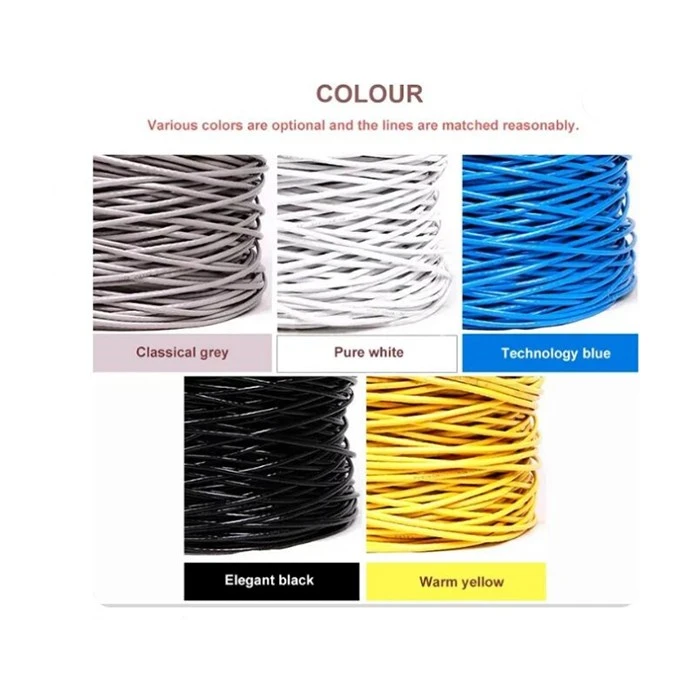

Key Differences
1. Data Transfer Speed
The most obvious difference between CAT5 and CAT5e is the data transfer speed. CAT5 is limited to 100 Mbps, while CAT5e can handle up to 1 Gbps. If you have a high - speed internet connection or you're using bandwidth - intensive applications, CAT5e is the way to go. For example, if you're streaming 4K videos or participating in online gaming tournaments, a CAT5 cable might not be able to keep up with the data demand, leading to buffering and lag.
2. Crosstalk and EMI
As I mentioned earlier, CAT5e has better resistance to crosstalk and electromagnetic interference. The tighter twists in the wires of CAT5e cables help to minimize the interference between the pairs of wires. This results in a more stable and reliable network connection. In a CAT5 cable, crosstalk can cause signal degradation, which can lead to slower data transfer speeds and even network outages.
3. Cost
CAT5 cables are generally cheaper than CAT5e cables. This is because CAT5e requires more precise manufacturing processes to achieve the enhanced performance. However, the price difference isn't huge, especially considering the benefits that CAT5e offers. If you're on a tight budget and your network needs are basic, CAT5 might be a good option. But if you want a future - proof network that can handle high - speed data transfer, it's worth investing in CAT5e.
4. Application
CAT5 is suitable for basic home and small - office networks where the data transfer requirements are relatively low. For example, if you're just using the internet for casual web browsing and email, a CAT5 cable will do the job. On the other hand, CAT5e is better for more demanding applications. It's ideal for home networks with multiple devices connected simultaneously, such as smart TVs, gaming consoles, and laptops. It's also commonly used in business networks where high - speed data transfer is essential.
When to Choose CAT5
If you have an old network infrastructure and you're on a tight budget, CAT5 might be a good choice. It's also suitable for networks where the data transfer requirements are low, such as a small home office with a single computer and a basic internet connection. Additionally, if you're not planning to upgrade your network in the near future, CAT5 can still provide a reliable connection for your day - to - day activities.
When to Choose CAT5e
If you're setting up a new network or upgrading an existing one, CAT5e is the better option. It can handle the high - speed data transfer demands of modern applications, such as video conferencing, cloud computing, and online gaming. It's also a good choice if you have multiple devices connected to your network, as it can provide a stable and reliable connection for all of them.
Other Alternatives
While CAT5 and CAT5e are popular choices, there are other options available in the market. For example, CAT6 Ethernet Cable 305M and CAT6 UTP Lan Cable offer even higher data transfer speeds and better performance. CAT6 cables can support speeds of up to 10 Gbps over a distance of up to 55 meters. They're a great choice for large - scale business networks and data centers.
Conclusion
In conclusion, the choice between CAT5 and CAT5e depends on your specific network needs and budget. If you have basic network requirements and you're on a tight budget, CAT5 might be sufficient. However, if you need high - speed data transfer and a more reliable network connection, CAT5e is the better option. And if you have even more demanding network needs, you might want to consider CAT6 cables.
If you're interested in purchasing CAT5 or CAT5e network cables, feel free to reach out to us. We're here to help you find the right cable for your network. Whether you're a home user or a business owner, we've got you covered.
References
- "Network Cabling Installation Guide", published by a leading networking equipment manufacturer.
- "The Basics of Ethernet Cables", an online article from a reputable technology website.