

Fiber adapters are vital components in fiber - optic networks, serving as the connection points that bridge optical fibers. As a fiber adapter supplier, ensuring the quality of our products is of paramount importance. Inferior fiber adapters can lead to signal loss, network instability, and ultimately, dissatisfied customers. In this blog, we will delve into the quality control measures we implement for fiber adapters.
1. Raw Material Inspection
The quality of fiber adapters starts with the raw materials. We carefully select suppliers who meet our high - quality standards. When raw materials arrive at our facility, they undergo a series of inspections.
For the housing materials, such as plastics or metals, we check the material's mechanical properties. For example, plastics should have sufficient strength and heat resistance to withstand the operating conditions of a fiber - optic network. We use testing equipment like a universal testing machine to measure the tensile strength and modulus of the plastics. Metals used for parts like ferrules or connectors are inspected for their corrosion resistance and hardness. X - ray fluorescence (XRF) spectrometers can be used to analyze the elemental composition of the metals, ensuring they meet the specified alloy standards.
The fiber - related materials, especially the ceramic ferrules, are also closely inspected. The diameter and concentricity of the ferrules are critical factors. We use precision measuring instruments, such as optical microscopes and interference microscopes, to measure the internal diameter of the ferrule's fiber hole with an accuracy of a few micrometers. The roundness and surface roughness of the ferrule are also examined to ensure proper fiber alignment and low insertion loss.
2. In - process Quality Control
During the manufacturing process, we have multiple quality control checkpoints.
Molding and Machining
In the molding process of plastic parts, we monitor parameters such as temperature, pressure, and injection speed. Any deviation from the set values can lead to defects like warping or incomplete filling. We use sensors and data - logging systems to record these process parameters in real - time. If a parameter goes out of the acceptable range, the production process is immediately halted for adjustment.
For machining operations of metal parts, we use computer - numerical - control (CNC) machines with high precision. After each machining step, the parts are inspected for dimensional accuracy. Coordinate measuring machines (CMMs) are used to measure the dimensions of the machined parts, ensuring they meet the design specifications.
Assembly
The assembly of fiber adapters is a delicate process. We have strict procedures in place to ensure proper alignment of the components. For example, when inserting the fiber into the ferrule, we use alignment fixtures and microscopes to ensure that the fiber is centered within the ferrule hole. After assembly, we perform a visual inspection to check for any loose parts, misalignments, or visible defects.
3. Performance Testing
Performance testing is a crucial part of our quality control process. It directly reflects the ability of the fiber adapters to transmit optical signals effectively.
Insertion Loss Testing
Insertion loss is the reduction in optical power when a fiber is connected through an adapter. We use an optical power meter and a light source to measure the insertion loss. A stable light source emits light at a specific wavelength (usually 1310nm or 1550nm, which are common wavelengths in fiber - optic communication), and the optical power meter measures the power of the light before and after passing through the adapter. The difference in power is the insertion loss. Our acceptable insertion loss values are typically very low, usually less than 0.3dB.
Return Loss Testing
Return loss measures the amount of light reflected back from the adapter - fiber interface. High return loss can cause signal interference and degradation. We use an optical time - domain reflectometer (OTDR) or a reflectometer to measure the return loss. The OTDR sends a short pulse of light into the fiber and measures the back - reflected light. A good fiber adapter should have a high return loss value, typically greater than 50dB.

Durability Testing
Fiber adapters need to withstand repeated mating and unmating cycles without significant degradation in performance. We conduct durability tests using a mating cycle tester. The adapter is mated and unmated a specified number of times (usually thousands of cycles), and then the insertion loss and return loss are measured again. If the performance parameters exceed the acceptable limits after the durability test, the adapter is considered defective.
4. Environmental Testing
Fiber adapters are often used in various environmental conditions. Therefore, we subject our products to environmental testing to ensure their reliability.
Temperature and Humidity Testing
We use environmental chambers to simulate different temperature and humidity conditions. The adapters are placed in the chamber and exposed to a range of temperatures, from - 40°C to 85°C, and relative humidity levels from 10% to 95%. After a certain period of exposure, the performance of the adapters is tested again. Changes in insertion loss and return loss are monitored to ensure that the adapters can operate stably in different environmental conditions.
Vibration and Shock Testing
In some applications, fiber adapters may be subjected to vibrations and shocks. We use vibration tables and shock testers to simulate these conditions. The adapters are fixed on the testing equipment and subjected to specific vibration frequencies and shock levels. After the testing, the mechanical integrity and performance of the adapters are checked. Any loose parts or significant changes in performance indicate a failure in passing the environmental test.
5. Final Inspection and Packaging
Before the fiber adapters are shipped to customers, they undergo a final inspection. This is a comprehensive check that includes a review of all the test results and a final visual inspection.
We also pay great attention to the packaging of our products. Proper packaging can protect the fiber adapters during transportation. We use anti - static bags, foam inserts, and sturdy boxes to ensure that the adapters are well - protected. Labels on the packaging provide important information such as the product model, specifications, and manufacturing date.
Product - Specific Quality Control
We offer a variety of fiber adapters, including SC Fiber Optical Adapter, FC Fiber Optical Adapter, and LC Fiber Optical Adapter. Each type of adapter has its own unique design and performance requirements, so we also have specific quality control measures for them.
For SC fiber optical adapters, which are widely used in data centers and telecommunications networks due to their push - pull coupling mechanism, we focus on the smoothness of the coupling and the stability of the connection. The keyway and the alignment sleeve of the SC adapter are carefully inspected to ensure proper mating and low insertion loss.
FC fiber optical adapters, with their screw - type coupling, are often used in high - precision applications. We pay special attention to the thread quality of the FC adapter. The threads should be smooth and have the correct pitch to ensure a tight and reliable connection.
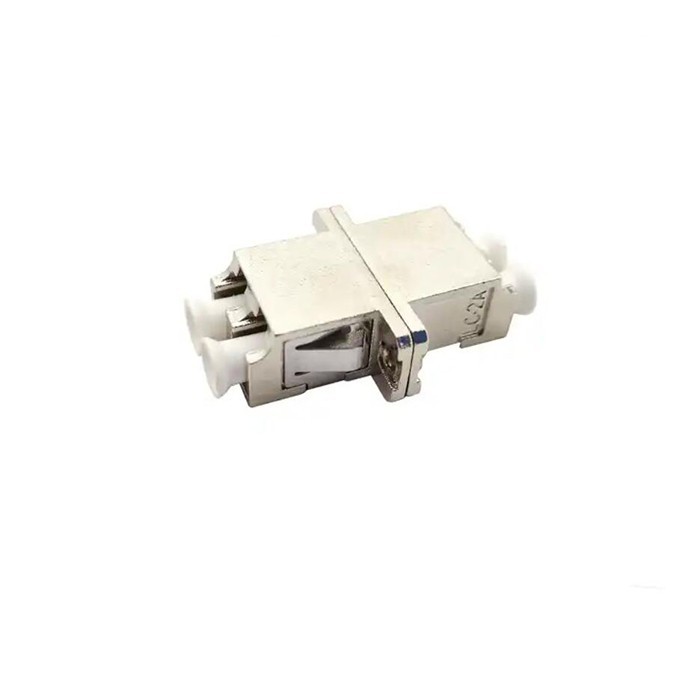
LC fiber optical adapters, known for their small form factor and high - density applications, require extremely precise alignment. The ferrule and the housing of the LC adapter are inspected with high - precision instruments to ensure the accuracy of the fiber alignment, which is crucial for minimizing insertion loss in high - density environments.
As a reliable fiber adapter supplier, we are committed to providing high - quality products. Our strict quality control measures ensure that our fiber adapters meet or exceed industry standards. If you are in the market for fiber adapters and are looking for a partner that can deliver reliable products, we invite you to contact us for procurement and further discussions. We are eager to work with you to meet your fiber - optic connection needs.
References
- Optical Fiber Communication Technology Handbook
- Standards for Fiber - Optic Connectors and Adapters by International Electrotechnical Commission (IEC)