

Outdoor fiber cables are crucial components in modern communication networks, connecting various locations and facilitating high - speed data transmission. As a reliable outdoor fiber cable supplier, I understand the significance of proper packaging for these cables. In this blog, I will discuss the key requirements for outdoor fiber cable packaging.
Protection Against Physical Damage
One of the primary requirements for outdoor fiber cable packaging is to protect the cables from physical damage. Outdoor environments are full of potential hazards such as sharp objects, rocks, and rough handling during transportation and installation. The packaging material should be strong enough to withstand impacts and abrasions.
For instance, corrugated cardboard boxes are commonly used for packaging fiber cables. They provide a certain degree of cushioning and protection. However, for more fragile or high - value cables like JET Fiber Optical Cable, additional padding materials such as foam inserts or bubble wrap can be used. These materials absorb shocks and prevent the cables from being damaged by sudden impacts.
In addition, the packaging should be designed in a way that prevents the cables from being bent or kinked. Cables are often wound around reels, and the reels should be properly secured within the packaging. Straps or bands can be used to hold the reels in place and prevent them from moving during transit. This ensures that the cables maintain their integrity and performance.
Resistance to Environmental Factors
Outdoor fiber cables are exposed to a wide range of environmental factors, including moisture, temperature variations, UV radiation, and chemicals. The packaging must provide adequate protection against these elements.
Moisture is one of the most common threats to fiber cables. Water can cause corrosion of the cable components and degrade the optical performance. Therefore, the packaging should be moisture - resistant. Plastic bags or shrink - wrap can be used to enclose the cables and prevent moisture from entering. Desiccants can also be placed inside the packaging to absorb any moisture that may accumulate.
Temperature variations can also affect the performance of fiber cables. Extreme heat or cold can cause the cable materials to expand or contract, leading to signal loss or even cable failure. The packaging should be able to insulate the cables from temperature changes. Insulating materials such as foam or thermal blankets can be used to maintain a stable temperature inside the packaging.
UV radiation can cause the outer sheath of the cables to degrade over time, making them more vulnerable to damage. Packaging materials should be UV - resistant to protect the cables from the harmful effects of sunlight. Some plastic materials are formulated with UV stabilizers to enhance their resistance to UV radiation.
Chemicals in the environment, such as pollutants and solvents, can also damage the cables. The packaging should be resistant to chemical corrosion. High - quality plastics or metal containers can be used to provide a barrier against chemicals.
Ease of Handling and Installation
The packaging of outdoor fiber cables should be designed to facilitate easy handling and installation. Cables are often heavy and bulky, so the packaging should be lightweight and easy to move. Handles or grips can be added to the packaging to make it easier to lift and carry.
The packaging should also be easy to open and close. This allows installers to quickly access the cables on - site. Some packaging designs use tear - away strips or easy - open flaps to simplify the opening process.

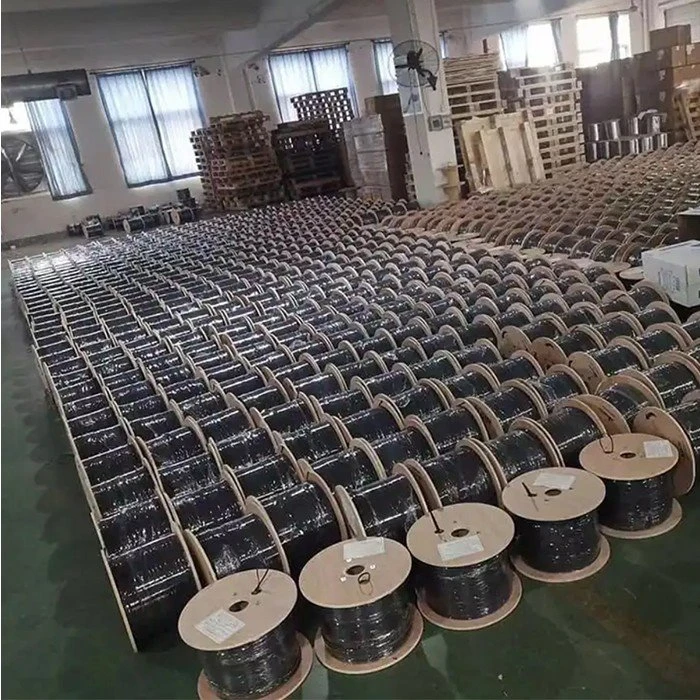
In addition, the packaging should provide clear instructions for handling and installation. Labels can be attached to the packaging to indicate the cable type, length, and any special handling requirements. This helps to ensure that the cables are installed correctly and safely.
Compatibility with Shipping and Storage
The packaging of outdoor fiber cables must be compatible with different shipping and storage methods. Cables are often transported by trucks, trains, or ships, and they need to be packaged in a way that meets the requirements of these transportation modes.
For shipping by truck or train, the packaging should be stackable to maximize the use of space. The shape and size of the packaging should be designed to fit within the cargo compartments of the vehicles. The packaging should also be able to withstand the vibrations and shocks associated with transportation.
When it comes to storage, the packaging should be able to protect the cables from dust, dirt, and other contaminants. Storage facilities may have different environmental conditions, so the packaging should be suitable for long - term storage. It should be able to prevent the cables from being damaged during storage, even if they are stored for extended periods.
Identification and Traceability
Proper identification and traceability are essential for outdoor fiber cable packaging. Each package should be clearly labeled with information such as the cable type, length, color code, and manufacturing date. This information helps installers to quickly identify the cables they need and ensures that the correct cables are used in the installation.
In addition, the packaging should have a unique identifier, such as a barcode or serial number. This allows for easy tracking of the cables throughout the supply chain. It helps in inventory management and provides a record of the cable's history, including its origin, transportation, and storage.
Cost - Effectiveness
As a supplier, I also need to consider the cost - effectiveness of the packaging. The packaging should meet all the necessary requirements while keeping the cost as low as possible. This involves choosing the right materials and packaging designs that provide the best balance between protection and cost.
For example, using recycled materials can reduce the cost of packaging while still providing adequate protection. Some packaging designs can be optimized to use less material without compromising the performance of the packaging. This not only reduces the cost but also has a positive impact on the environment.
Conclusion
In conclusion, the requirements for outdoor fiber cable packaging are multifaceted. It must protect the cables from physical damage, environmental factors, and provide ease of handling and installation. The packaging should also be compatible with shipping and storage, allow for identification and traceability, and be cost - effective.
As a trusted outdoor fiber cable supplier, we ensure that our cables are packaged to the highest standards. Whether you are looking for JET Fiber Optical Cable, Armored Optical Fiber Cable, or FTTH Fiber Optic Cable, we can provide you with high - quality products and reliable packaging.
If you are interested in purchasing outdoor fiber cables, we welcome you to contact us for more information and to discuss your specific requirements. Our team of experts is ready to assist you in finding the best solutions for your communication needs.
References
- "Fiber Optic Cable Installation Manual" - Industry standard guide for fiber optic cable installation and packaging.
- "Handbook of Fiber Optic Technology" - Comprehensive resource on fiber optic technology, including cable packaging requirements.
- "Environmental Considerations for Outdoor Fiber Optic Cables" - Research paper on the impact of environmental factors on fiber cables and the role of packaging.