

Hey there! As a supplier of fiber optical tools, I've seen firsthand the importance of having the right equipment for fiber optic cable installation. In this blog post, I'm gonna walk you through the essential tools you need to get the job done right.
Fiber Strippers
Let's start with fiber strippers. These little guys are super important. When you're installing fiber optic cables, you need to remove the outer layers of the cable to expose the fiber itself. A good fiber stripper makes this process quick and clean. It's designed to strip the buffer coating and other protective layers without damaging the delicate fiber inside. There are different types of fiber strippers out there, from manual ones to automated models. Manual strippers are great for small - scale jobs or when you need more control. Automated strippers, on the other hand, are faster and more consistent, which is awesome for large - scale installations.
Cleavers
Once you've stripped the fiber, the next step is to cleave it. A fiber cleaver is used to create a clean, flat end on the fiber. This is crucial because a good cleave ensures low - loss splicing and connections. The blade of a cleaver needs to be sharp and precise. There are various cleavers available, ranging from basic handheld models to high - end, precision cleavers. Handheld cleavers are portable and easy to use, perfect for field work. High - end cleavers offer more accuracy and are often used in professional installation teams.
Fusion Splicers
Now, let's talk about fusion splicers. These are the workhorses of fiber optic cable installation. A fusion splicer joins two fiber optic cables together by melting the ends of the fibers and fusing them. It creates a permanent, low - loss connection. The INNO Fiber Fusion Splicer is one of the top - notch tools in the market. It's equipped with advanced technology that can align the fibers precisely and control the fusion process accurately. This results in high - quality splices that are reliable and long - lasting. Fusion splicers come with different features, such as automatic alignment, real - time monitoring, and adjustable fusion parameters.
Optical Power Meters
An optical power meter is another must - have tool. It measures the power of light in a fiber optic cable. This is important for testing the performance of the cable after installation. You can use it to check if the signal strength is within the acceptable range. The Handheld Optical Power Meter is very convenient. It's small, lightweight, and easy to carry around. You can take it with you to different job sites and quickly measure the power of the optical signals. It helps you identify any issues with the cable, such as signal loss or attenuation.
Visual Fault Locators
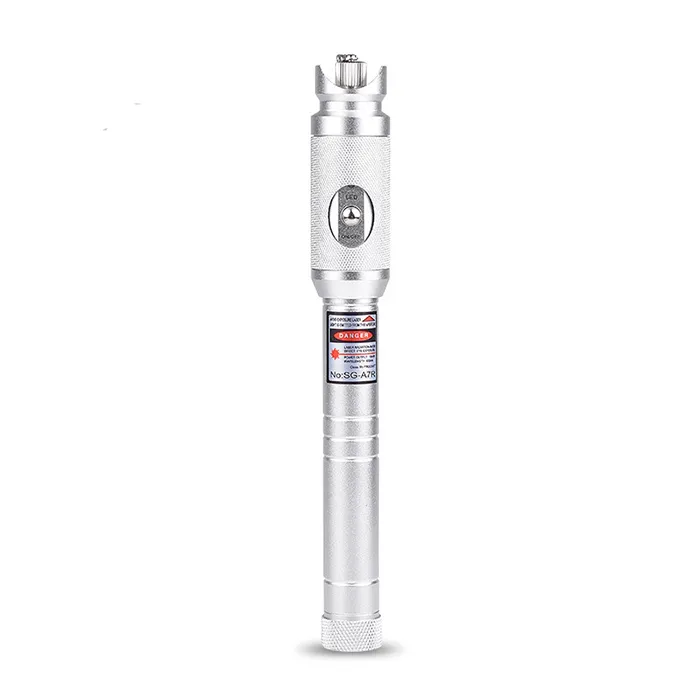
A visual fault locator is like a detective for fiber optic cables. It can quickly find breaks, bends, or other faults in the cable. The Pen Type Visual Fault Locator is a popular choice. It's small and easy to hold, just like a pen. You can inject a visible light into the fiber, and if there's a fault, the light will leak out at that point, making it easy to spot. This saves a lot of time and effort in troubleshooting.
Fiber Optic Testers
In addition to the optical power meter and visual fault locator, a comprehensive fiber optic tester can perform multiple tests. It can measure parameters like insertion loss, return loss, and bandwidth. These testers are great for ensuring the overall quality of the fiber optic network. They can help you verify that the installation meets the required standards and specifications.
Cable Pulling Equipment
When it comes to installing fiber optic cables, cable pulling is a big part of the job. You need the right equipment to pull the cables through ducts, conduits, or other pathways. Cable pulling grips, winches, and rollers are some of the common tools used. Cable pulling grips are designed to hold the cable securely without damaging it during the pulling process. Winches provide the necessary force to pull the cable over long distances. Rollers help reduce friction and prevent the cable from getting damaged as it moves through the pathway.
Cleaning Supplies
Don't forget about cleaning supplies. Keeping the fiber optic connectors clean is essential for good performance. You need lint - free wipes, cleaning solutions, and alcohol swabs. Lint - free wipes are used to clean the connectors gently. Cleaning solutions can remove dirt, dust, and other contaminants. Alcohol swabs are great for disinfecting and ensuring a clean surface. A dirty connector can cause signal loss and other problems, so regular cleaning is a must.

Safety Equipment
Last but not least, safety equipment is crucial. When working with fiber optic cables, you need to protect yourself. Safety glasses can protect your eyes from any flying debris or fiber fragments. Gloves can prevent your hands from getting cut or irritated by the sharp edges of the cables. Ear protection may also be necessary if you're using noisy equipment like winches.
In conclusion, having the right tools is essential for a successful fiber optic cable installation. Whether you're a professional installer or a DIY enthusiast, investing in high - quality tools will save you time, money, and headaches in the long run. If you're in the market for fiber optical tools, I'd love to have a chat with you. We've got a wide range of top - notch tools that can meet your needs. Just reach out, and we can discuss your requirements and find the best solutions for your fiber optic installation projects.
References
- Industry standards and guidelines for fiber optic cable installation
- Product manuals of fiber optical tools from leading manufacturers