

In the realm of Local Area Networks (LAN), the choice between single - mode and multi - mode LAN patch cables is a critical decision that can significantly impact network performance. As a seasoned LAN patch cable supplier, I've witnessed firsthand the diverse needs of clients and the challenges they face in making this crucial choice. In this blog, I'll delve into the characteristics, advantages, and disadvantages of both single - mode and multi - mode LAN patch cables to help you determine which one is better suited for your specific network requirements.
Understanding the Basics
Before we compare the two types of cables, it's essential to understand what single - mode and multi - mode mean.
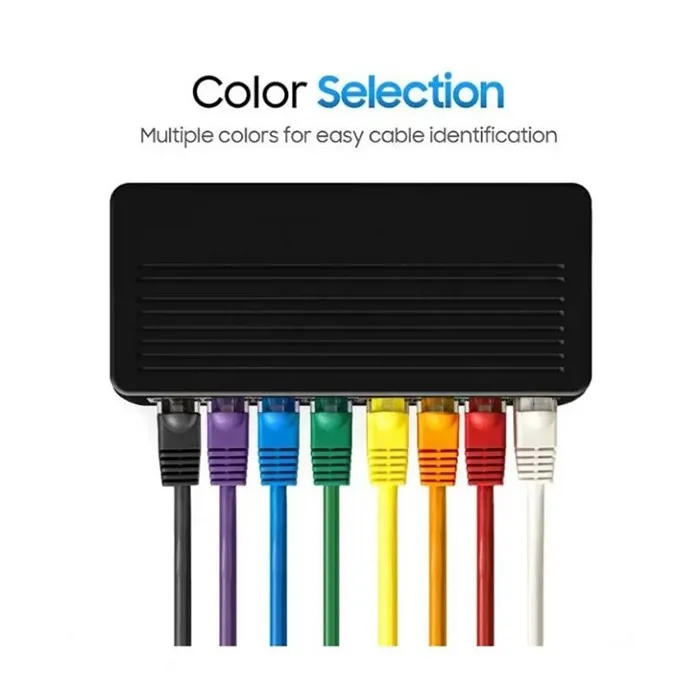
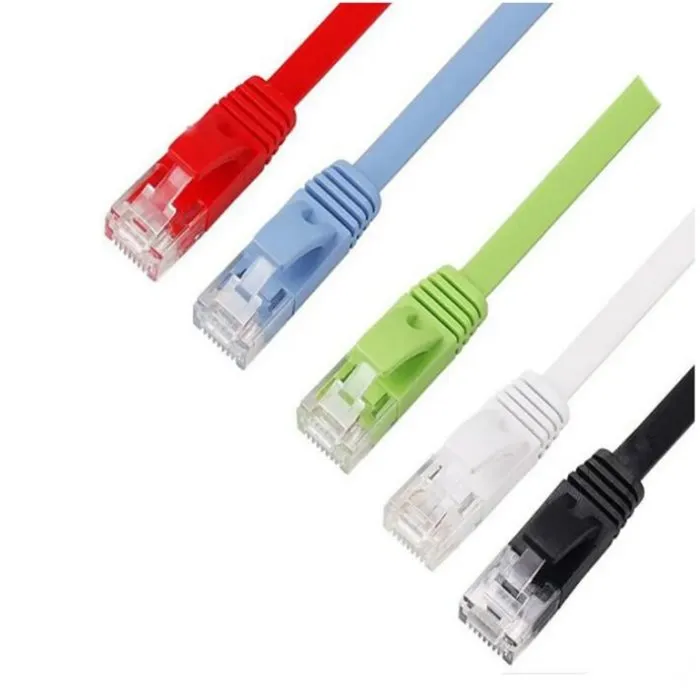
Single - mode fiber optic cables are designed to carry a single ray of light, known as a mode, directly down the center of the cable. These cables have a very small core diameter, typically around 9 microns. Due to the small core, single - mode cables can transmit data over much longer distances with less signal loss compared to multi - mode cables. They are commonly used in long - haul telecommunications networks, data centers that require high - speed connections over large distances, and in outdoor applications.
On the other hand, multi - mode fiber optic cables have a larger core diameter, usually 50 or 62.5 microns. This larger core allows multiple rays of light (modes) to travel through the cable simultaneously. Multi - mode cables are more suitable for shorter - distance applications, such as within a building or a campus - style network where the distances between network devices are relatively short.
Performance Comparison
Bandwidth and Speed
When it comes to bandwidth and speed, both single - mode and multi - mode cables can support high - speed data transmission. However, single - mode cables generally have a higher potential for extremely high - speed and long - distance data transfer. They can support data rates of up to 100 Gbps and even higher over long distances. For example, in large - scale data centers where data needs to be transferred quickly between different racks or buildings, single - mode cables are often the preferred choice.
Multi - mode cables, while also capable of high - speed data transmission, are more limited in terms of distance. The multiple modes of light traveling through the cable can cause dispersion, which limits the cable's ability to carry high - speed signals over long distances. Nevertheless, for short - range applications, multi - mode cables can support speeds of up to 10 Gbps or more, making them suitable for most local area network setups within a single building.
Distance
One of the most significant differences between single - mode and multi - mode cables is their transmission distance capabilities. Single - mode cables excel in long - distance applications. They can transmit data over distances of several kilometers without significant signal degradation. This makes them ideal for connecting remote offices, data centers in different locations, or for use in telecommunications networks that span large geographical areas.
Multi - mode cables, however, are limited to shorter distances. The maximum distance for a typical multi - mode cable supporting 10 Gbps data rates is around 300 meters. As the distance increases, the signal quality deteriorates due to modal dispersion, which is the spreading of the light pulses as they travel through the cable. Therefore, multi - mode cables are best suited for networks within a single building or a small campus where the distances between devices are relatively short.
Cost
Cost is another important factor to consider when choosing between single - mode and multi - mode cables. Single - mode cables are generally more expensive than multi - mode cables. The manufacturing process for single - mode cables is more precise due to the small core diameter, which drives up the cost. Additionally, the transceivers used with single - mode cables are also more expensive compared to those used with multi - mode cables.
Multi - mode cables, on the other hand, are more cost - effective for short - range applications. The larger core diameter makes them easier to manufacture, and the associated transceivers are less expensive. If your network only requires short - distance connections, choosing multi - mode cables can result in significant cost savings.
Applications
Single - Mode Applications
Single - mode cables are commonly used in the following applications:
- Telecommunications Networks: They are the backbone of long - distance telecommunications networks, connecting different cities and countries. For example, in a trans - continental fiber optic network, single - mode cables are used to transmit voice, data, and video signals over thousands of kilometers.
- Large - Scale Data Centers: In data centers with multiple buildings or large floor areas, single - mode cables are used to connect different racks, servers, and storage systems. They ensure high - speed and reliable data transfer over long distances within the data center.
- Outdoor Networks: For outdoor applications such as connecting remote surveillance cameras, wireless base stations, or in smart city infrastructure, single - mode cables are preferred due to their long - distance capabilities and resistance to environmental factors.
Multi - Mode Applications
Multi - mode cables are well - suited for the following applications:
- Local Area Networks (LANs): In office buildings, schools, and universities, multi - mode cables are commonly used to connect computers, printers, and other network devices within a single building or a small campus. They provide sufficient bandwidth for day - to - day network activities such as file sharing, internet access, and video conferencing.
- Data Centers (Short - Range): In smaller data centers where the distances between servers and switches are relatively short, multi - mode cables can be used to connect different components. They are also suitable for connecting servers to top - of - rack switches within a single rack.
Making the Right Choice
When deciding between single - mode and multi - mode LAN patch cables, you need to consider several factors:
- Distance: If your network requires connections over long distances (more than a few hundred meters), single - mode cables are the better choice. However, if the distances are short (less than 300 meters), multi - mode cables will suffice.
- Bandwidth Requirements: For applications that demand extremely high - speed data transfer over long distances, single - mode cables are necessary. But if your network only requires moderate speeds for short - range connections, multi - mode cables can meet your needs.
- Budget: If cost is a major concern and your network has short - range requirements, multi - mode cables are the more economical option. However, if long - distance connectivity is essential and budget is not a limiting factor, single - mode cables are worth the investment.
As a LAN patch cable supplier, we offer a wide range of RJ45 Network Patch Cords, CAT 6 Ethernet Patch Cable, and Category 5E Patch Cord in both single - mode and multi - mode configurations. Our experienced team can help you assess your network requirements and recommend the most suitable cables for your specific needs.
If you're in the process of planning a new network or upgrading an existing one, we encourage you to reach out to us for a detailed consultation. We can provide you with expert advice, competitive pricing, and high - quality products to ensure your network operates at its best.
References
- "Fiber Optic Cabling Installation and Troubleshooting" by BICSI
- "Network+ Guide to Networks" by Douglas Comer
- Industry whitepapers on fiber optic technology from leading manufacturers such as Corning and Cisco.