

Hey there! As a supplier of 305M Network Cables, I often get asked this question: "Is a 305M network cable shielded or unshielded?" Well, let's dive right into it and break it down.
First off, let's understand the difference between shielded and unshielded network cables. Unshielded cables, like the CAT6 UTP Network Cable, are the more common type. UTP stands for Unshielded Twisted Pair. These cables consist of pairs of insulated copper wires twisted together. The twisting helps reduce electromagnetic interference (EMI) and crosstalk between the pairs. They're great for most home and small - office setups where the environment is relatively free from high levels of electrical noise.
On the other hand, shielded cables have an extra layer of protection. This shield can be made of metal foil or braided wire. It acts as a barrier to block external EMI and also prevents the cable from radiating its own electromagnetic signals. Shielded cables are often used in industrial settings, data centers, or areas with a lot of electrical equipment that could cause interference.
Now, when it comes to our 305M Network Cables, we offer both shielded and unshielded options. The choice between the two depends on your specific needs.
If you're setting up a home network, chances are an unshielded cable will do the job just fine. You can use our 305M Network Cable in an unshielded version to connect your devices like computers, gaming consoles, and smart TVs. These cables are easy to install and cost - effective. They can support high - speed data transfer, which is perfect for streaming HD videos, online gaming, and general internet use.
However, if you're in a commercial or industrial environment, a shielded 305M network cable might be a better choice. For example, in a large office building with lots of electrical machinery, or a data center where data integrity is crucial, the shielded cable can provide a more stable and reliable connection. It can reduce the risk of signal loss and errors caused by EMI.
Let's talk about the performance of these cables. The CAT6A Network Cable is a great option for high - speed data transfer. It can support speeds of up to 10 Gigabits per second over a distance of up to 100 meters. Our 305M cables, whether shielded or unshielded, are designed to meet high - quality standards. They're made with high - grade copper conductors and durable insulation materials to ensure long - term performance.
When it comes to installation, unshielded cables are generally easier to work with. You don't have to worry about grounding the shield, which can be a bit tricky. But if you choose a shielded cable, proper grounding is essential. A poorly grounded shield can actually make the interference worse. So, if you're not experienced with cable installation, it might be a good idea to hire a professional.
Another factor to consider is cost. Unshielded cables are usually cheaper than shielded ones. This is because the manufacturing process for shielded cables is more complex, and they require additional materials for the shielding. So, if you're on a tight budget, an unshielded 305M network cable could be the way to go.
In terms of future - proofing your network, a higher - category cable like CAT6A is a smart investment. It can handle the increasing demands of modern technology, such as 4K video streaming, virtual reality, and large - scale data transfer. Whether you choose a shielded or unshielded version, a CAT6A 305M network cable can provide a reliable connection for years to come.
Now, let's sum it up. If you're in a low - interference environment and on a budget, an unshielded 305M network cable is a great option. It's easy to install and can meet your basic networking needs. But if you're in a high - interference environment where data integrity is crucial, a shielded 305M network cable is the way to go.

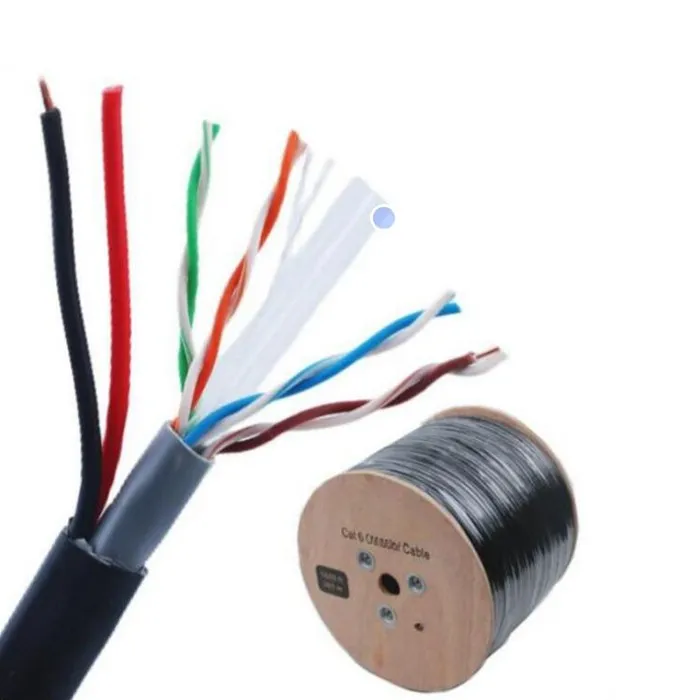
If you're interested in purchasing our 305M Network Cables, whether shielded or unshielded, we're here to help. We can offer you the best advice based on your specific requirements. Just reach out to us for a quote and let's start a conversation about your networking needs.
References:
- General knowledge of network cable technology from industry standards and best practices.
- Product specifications and performance data from our in - house research and development.