

Hey there! As a supplier of indoor fiber cable, I've been keeping a close eye on the industry, and let me tell you, the future's looking super exciting. In this blog, I'm gonna share with you what I think are the future development trends of indoor fiber cable.
Higher Bandwidth Demands
First off, there's no denying that the demand for higher bandwidth is sky - rocketing. With the rise of smart homes, 4K and 8K video streaming, virtual reality (VR), and augmented reality (AR) applications, the current bandwidth might just not cut it in the near future. People want faster and more stable internet connections inside their homes and offices.
For instance, in a smart home, you've got multiple devices like smart TVs, security cameras, smart speakers, and various IoT (Internet of Things) gadgets all connected to the network at the same time. Each of these devices needs a certain amount of bandwidth to function properly. If you're also trying to stream a high - definition movie or play an online game, well, you need even more bandwidth.
This means that indoor fiber cables will need to be capable of handling much higher data transfer rates. We're talking about speeds that are several times faster than what's available right now. As a supplier, I'm constantly working on developing cables that can meet these growing bandwidth requirements.
Miniaturization
Another big trend is miniaturization. As technology advances, the space available for cable installation is getting smaller and smaller. In modern buildings, whether it's a high - rise office or a compact apartment, there's a need for cables that take up less space.
Miniaturized indoor fiber cables are not only easier to install in tight spaces but also reduce the overall weight of the cable infrastructure. This is especially important in data centers where thousands of cables are used. A lighter and more compact cable setup can also lead to cost savings in terms of installation and maintenance.
We've already seen some progress in this area with the development of thinner and more flexible fiber cables. For example, our Indoor Ultrasonic Optical Cable is designed to be both highly efficient and space - saving. It can be easily routed through narrow conduits and around obstacles, making it a great choice for modern indoor installations.
Enhanced Durability
Indoor fiber cables are often subjected to various environmental factors and mechanical stresses. They can be bent, pulled, or exposed to temperature and humidity changes. To ensure long - term performance, enhanced durability is crucial.
New materials and manufacturing techniques are being used to make indoor fiber cables more resistant to damage. For example, some cables are now coated with special materials that protect them from moisture, chemicals, and abrasion. This not only extends the lifespan of the cables but also reduces the need for frequent replacements.
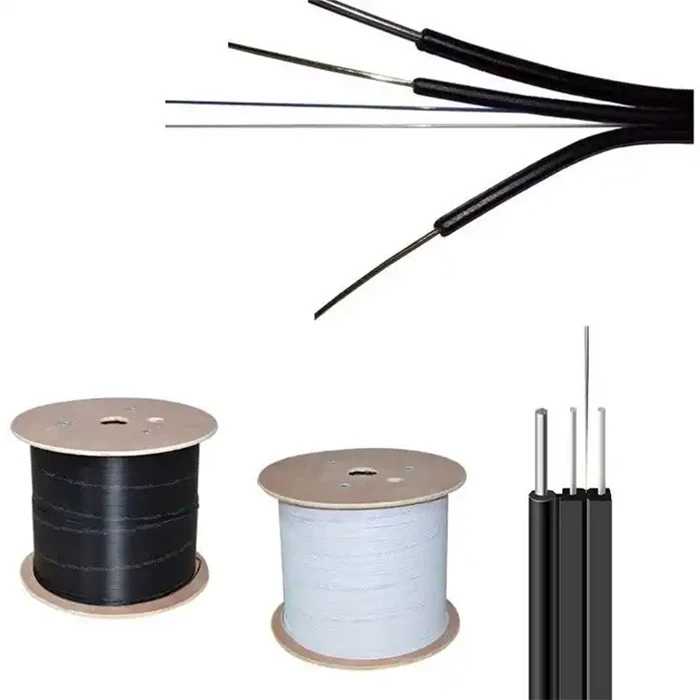
In addition, improved cable designs are making them more flexible and less prone to breakage. Our LSZH Fiber Optic Cable is a great example of a durable indoor fiber cable. It's made with low - smoke zero - halogen materials, which not only provide excellent fire safety but also offer good resistance to environmental factors.

Integration with IoT
The Internet of Things is changing the way we live and work, and indoor fiber cables are no exception. With the increasing number of IoT devices being used indoors, there's a need for seamless integration between the cable infrastructure and these devices.
Indoor fiber cables can play a key role in providing reliable connectivity for IoT devices. They can support the high - volume data transfer required for real - time monitoring and control of these devices. For example, in a smart building, fiber cables can connect sensors, actuators, and control systems, enabling efficient management of energy consumption, security, and other functions.
As a supplier, I'm focusing on developing cables that are optimized for IoT applications. These cables need to be able to handle the unique requirements of IoT devices, such as low - power consumption and high - reliability communication.
Cost - Effectiveness
In the long run, cost - effectiveness is always a major consideration. While the initial investment in fiber optic technology might be higher compared to traditional copper cables, the long - term benefits are significant. Fiber cables offer higher bandwidth, lower signal loss, and longer lifespan, which can lead to cost savings over time.
However, as a supplier, I understand that customers are also looking for ways to reduce the upfront costs. That's why we're constantly working on improving our manufacturing processes to make our indoor fiber cables more affordable without compromising on quality.
For example, our FTTH Indoor Drop Cable is designed to be a cost - effective solution for bringing fiber optic connectivity directly to the home. It's easy to install and offers excellent performance at a reasonable price.
Conclusion
So, those are some of the major future development trends of indoor fiber cable. As a supplier, I'm really excited about these trends because they present both challenges and opportunities. By staying ahead of the curve and investing in research and development, we can ensure that our products meet the evolving needs of our customers.
If you're interested in learning more about our indoor fiber cables or are looking to make a purchase, I'd love to have a chat with you. Whether you're a contractor, a building owner, or an IT professional, we can work together to find the best cable solutions for your specific needs.
References
- "Fiber Optics Technology Handbook"
- Industry reports on the future of indoor networking infrastructure
- Research papers on IoT and its impact on cable technology